
New Construction vs. Existing Homes in Utah: What You Should Know Before You Decide
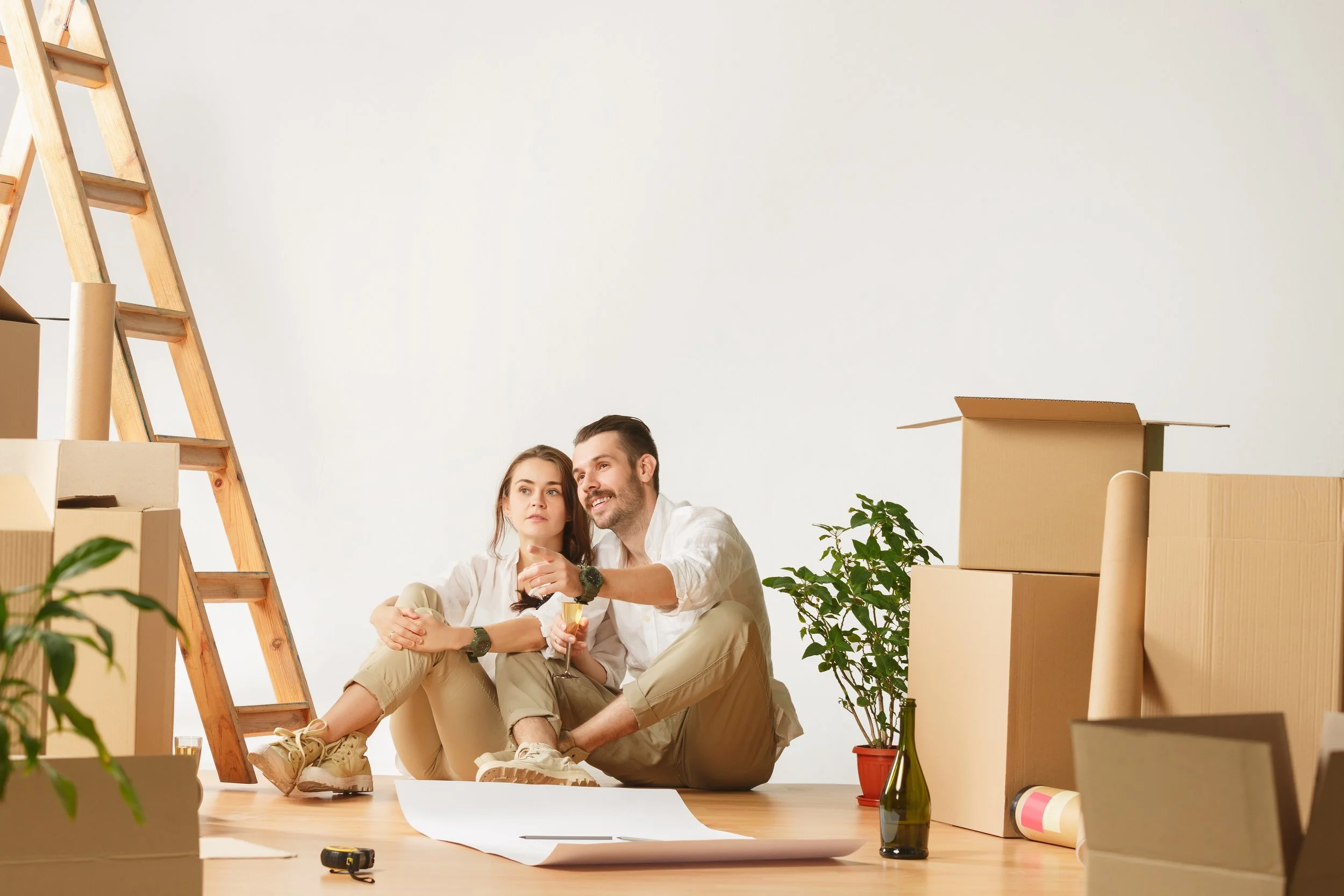
Is it smarter to build a new home or buy an existing one? Both options can work, but they offer different experiences, costs, and long-term considerations. The best choice depends on your budget, lifestyle, and priorities.
Consider the Lifestyle
New construction often means moving into a neighborhood that is still being developed. You may deal with construction noise, mud, unfinished landscaping, and incomplete streets.
At the same time, these neighborhoods can have an exciting sense of community. Many families move in around the same time, giving neighbors an opportunity to meet, help one another, and build relationships.
Existing neighborhoods are already established. They often include a wider mix of long-term residents and newer families. It may take more time to feel connected, but the neighborhood’s character, surroundings, and amenities are easier to evaluate before you buy.
Look Beyond the Purchase Price
Many buyers assume a new home will require fewer repairs because everything is new. However, new homes are often built with builder-grade materials, including appliances, plumbing fixtures, flooring, roofing materials, and sprinkler systems.
When my family bought a new home, we replaced many of those items within the first 10 years. The dishwasher and water heater were among the first to fail. It was not something we expected when purchasing a brand-new home.
An existing home may already include valuable improvements, such as:
Mature landscaping and trees
Fencing and sprinkler systems
Blinds and window coverings
A finished basement
Upgraded appliances and fixtures
These features can cost thousands of dollars to add after moving in. They also require time, which is easy to overlook when comparing homes.
Think About Financing
If you purchase a completed home from a large builder, many of the same financing options available for existing homes may apply, including conventional, FHA, VA, and USDA loans for qualified borrowers.
Builders may offer incentives if you use their preferred lender. Some offers are beneficial, but it is important to compare the complete loan, including the interest rate, fees, and total cost.
Building a custom home on your own lot is different. It usually requires a construction loan, and many lenders require around 20 percent down. Depending on the loan, you may have a one-time closing that converts into a permanent mortgage or a second closing after construction is complete.
Which Option Is Better?
Newer does not automatically mean a better investment. A home’s value is influenced by its size, layout, location, and condition, not simply its age.
An existing home may provide more of the finished product upfront. A new home may offer greater customization and the experience of being part of a growing community.
Ultimately, you are not just choosing a house. You are choosing how you want to spend your time and money and the kind of lifestyle you want for the years ahead.

This article was written by Nelson Barss based on Episode 20 of the Utah Homebuyer’s Quest podcast, “Should You Build New or Buy an Existing Home?”
-
Neither option is automatically better. The right choice depends on your budget, lifestyle, desired location, and whether you value customization or established features.
-
Not always. Although everything is new, some homes are built with builder-grade materials that may need to be repaired or replaced within the first several years.
-
Existing homes may already include mature landscaping, fencing, sprinkler systems, window coverings, a finished basement, and upgraded appliances or fixtures.